

Last updated on September 23rd, 2025 at 11:16 am
The continent of Europe, located in the northern hemisphere, is one of the seven continents that make up the Earth. With its rich history and cultural diversity, Europe has been a center of civilization and global influence for centuries.
From breathtaking natural beauty to a magnificent historical heritage, the European continent offers unforgettable sights and experiences to those who explore it.
To learn more about the European continent—from its climate and natural conditions to its population and landscapes—read on below!
About the European Continent
The continent of Europe stretches from the Scandinavian Peninsula in the north to the Iberian Peninsula in the south. To the west, Europe is bordered by the Atlantic Ocean; to the south, by the Mediterranean Sea; and to the east, by the Caspian Sea, giving it a long and beautiful coastline.
The uniqueness of the European continent is also evident in its diverse climates, ranging from mild maritime climates to more extreme continental climates. Its natural landscapes include breathtaking mountains, lush green valleys, and beautiful lakes that bear witness to its long history.
In addition to its geographical features, cultural and historical diversity are hallmarks of the European continent. Magnificent cities such as Paris, Rome, and London showcase their art and architecture. Its long history spans the heyday of the Roman Empire, the Renaissance, and significant events of the World Wars.
The European continent is not only known for its tourist destinations, but it is also a hub for education, innovation, and human civilization. With its natural resources, cultural heritage, and vital role in global development, Europe continues to be a source of inspiration for many people around the world.
The Climate of the European Continent
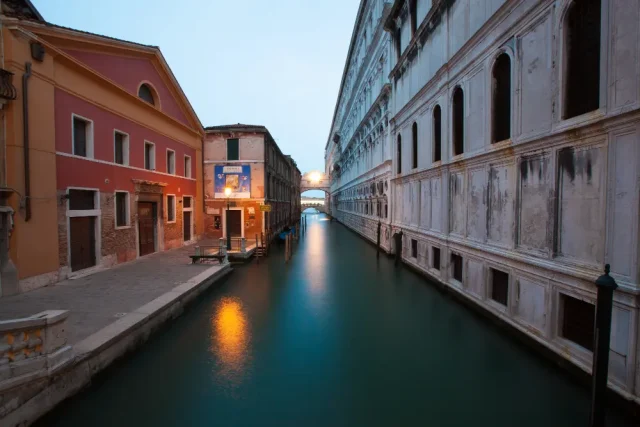
The European continent has a diverse range of climates that give each region its own unique characteristics. Here is an explanation:
The Climate of Central and Eastern Europe
Central and Eastern Europe offer a variety of climates that encompass several major types. The subarctic climate, which stretches from Scandinavia to western Russia, is characterized by low temperatures and cold conditions year-round.
Below that is a humid continental climate that covers most countries, such as Poland, Austria, and the Russian part. This region has two main subtypes—warm summers and cool summers—which create significant climatic variations.
The Climate of Southern Europe
Southern Europe is known for its distinctive Mediterranean climate. Summers are warm to hot and dry, while winters are cold—sometimes very cold—with often clear skies.
This region offers ideal weather conditions for the growth of typical Mediterranean plants and features contrasting seasons, ranging from hot summers to cool winters.
The Climate of Northern Europe
Northern Europe encompasses tundra, subarctic, and maritime climates. The tundra, characterized by low temperatures and low precipitation, is found primarily along the northern coasts of Norway, Sweden, and Finland.
The subarctic region stretches from Norway to Finland, with extreme temperatures and contrasting seasons. In contrast, the maritime climate, which dominates Western Europe, features mild summers and winters, as well as high precipitation, as is the case in Denmark.
The Climate of Western Europe
Western Europe can be divided into three main climate zones: maritime, Mediterranean, and highland. The maritime climate, which includes the United Kingdom, France, and Belgium, is characterized by moderate temperatures year-round and high precipitation.
The Mediterranean climate is characterized by warm to hot, dry summers and cold winters with often clear skies. Meanwhile, the highlands offer varied climatic conditions depending on the region’s elevation.
Read Also: Interesting Facts About the United Kingdom
Natural Conditions of the European Continent
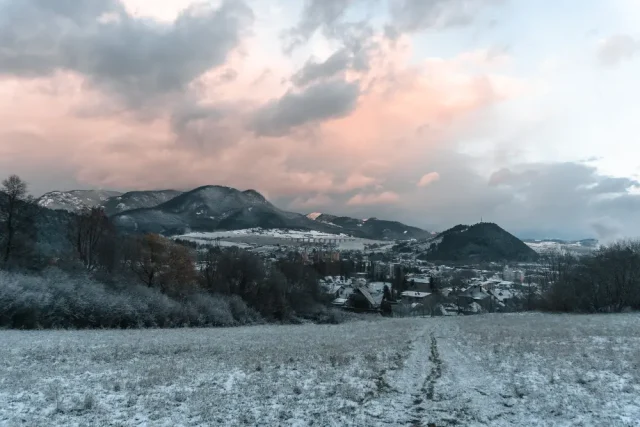
The European continent features a variety of natural landscapes, including lowlands, mountains, and highlands. The lowlands encompass the northern, central, and eastern regions, with the Northern European Lowlands, the Central European Lowlands, and the Eastern European Lowlands being well-known examples.
The Alps, which stretch to the south, and the Ural Mountains, which form the boundary between Europe and Asia, play an important role as topographical features of this continent. Below, we will discuss the natural conditions of the European continent in more detail:
Climate
As previously explained, the climate across the European continent varies, ranging from a maritime climate along the coast—with high precipitation and moderate temperatures—to a continental climate in the interior—with low precipitation and extreme temperatures—and a Mediterranean climate in the south—with hot, dry summers and wet, cool winters.
Flora and Fauna
The flora and fauna of the European continent reflect the diversity of its natural conditions. Coniferous forests, deciduous forests, and rainforests are home to a wide variety of plant life, while grasslands, steppes, and tundras also contribute to the diversity of ecosystems. The fauna includes various species such as bears, wolves, deer, foxes, eagles, owls, and many more.
Natural Resources
Europe’s natural resources include minerals such as coal, petroleum, natural gas, and metals. Forests are a crucial resource, providing timber, fuel, and oxygen.
Water resources, used for irrigation, industry, and human consumption, are also a key element in the exploitation of this continent’s natural resources. The highly diverse natural conditions across the European continent have a significant impact on human life, influencing lifestyles, the economy, and environmental sustainability in the region.
Population of the European Continent
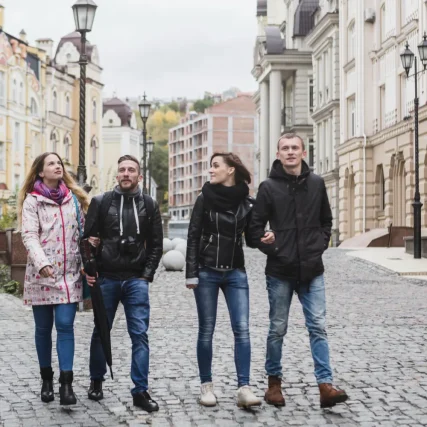
The population of the European continent is diverse, consisting primarily of people of Caucasoid descent. This ethnic group can be divided into five major ethnic groups, each with specific physical and racial characteristics. The following is a description of these five ethnic groups:
Nordic Nations
The Nordic peoples comprise ethnic groups originating from the Scandinavian region, such as Sweden, Norway, and Denmark. Their distinctive physical characteristics include tall stature, fair skin, light-colored hair, and light-colored eyes.
The climate in Scandinavia, which tends to be cold, may also influence their physical adaptations, such as lighter skin to absorb more sunlight.
Read Also: How Much Does It Cost to Live in Sweden? Check Here
Alpine Peoples
The Alpine people are an ethnic group that inhabits the Alpine mountain region. Their distinctive physical characteristics include a more muscular build, darker skin due to more intense sun exposure, and possibly other traits typical of mountain dwellers.
Mediterranean Peoples
The Mediterranean people are an ethnic group that inhabits the Mediterranean region, including Italy, Spain, and Greece. Their distinctive physical characteristics include olive-toned skin, dark hair, and brown eyes.
The warm climate and intense sunlight in this region play an important role in their physical appearance.
Read Also: Complete Guide to Cost of Living in Poland
Slavic peoples
The Slavic peoples consist of ethnic groups inhabiting Eastern and Western Slavic regions, including Poland, Russia, and the Czech Republic. Distinctive physical characteristics may vary significantly, but some common traits include varying heights and brown or dark-colored hair and eyes.
The Dinarik People
The Dinaric people are primarily found in the Dinaric Alps, including Slovenia and parts of Croatia. Their distinctive physical characteristics may include a more muscular build, moderate height, and traits that reflect adaptation to the mountainous environment.
Read Also: Cost-Saving Tips for Living in the UK for a Month
The Landscape of the European Continent
The natural conditions of the European continent are quite diverse. There are four main categories of landforms in Europe. Below is an explanation of each of these categories:
The Tua Mountains in the Northern Region
The ancient mountain ranges in the northern part of the European continent encompass the Scandinavian region, including Norway and Sweden. The main characteristic of this region is the presence of ancient mountain ranges that have undergone erosion over millions of years.
These mountains feature deep valleys and jagged peaks, creating a dramatic and beautiful natural landscape. These geographical features have an impact on the region’s climate and ecosystems.
Russian Lowlands
The Russian lowlands cover most of Russia, particularly in the western and central parts of the country. This region is characterized by flat terrain crisscrossed by rivers, such as the Volga River.
This lowland region is also home to fertile farmland, making it one of the largest agricultural regions in Europe.
The Great European Lowlands
The Great European Lowlands encompass a large portion of Central and Western Europe. This region is characterized by flat to gently undulating topography crisscrossed by rivers such as the Rhine and the Elbe.
These plains are often the center of economic and urban activity, contributing to population growth and industrial development.
Read Also: Fasting Duration in Various Countries, Some Last Up to 16 Hours!
The Young Folded Mountains in the South
The young fold mountains in southern Europe include ranges such as the Alps and the Carpathians. They are characterized by being younger and still geologically active.
Its high peaks, deep valleys, and natural caves are major attractions for tourism and biodiversity. This region also plays a key role in shaping the climate patterns and natural conditions of the surrounding area.
The European continent, located in the northern hemisphere, features a wide variety of natural conditions, ranging from ancient mountain ranges in the north to the fertile lowlands of Russia. Its diverse climates—such as the maritime climate along the coast, the continental climate inland, and the Mediterranean climate in the south—have a major influence on its rich flora and fauna.
The population, which consists of different ethnic groups, exhibits unique physical characteristics depending on their region of origin. The four landscape categories—including ancient mountain ranges, lowlands, and young folded mountain ranges—create unforgettable natural beauty across the European continent.