Last updated on April 23rd, 2026 at 11:36 am
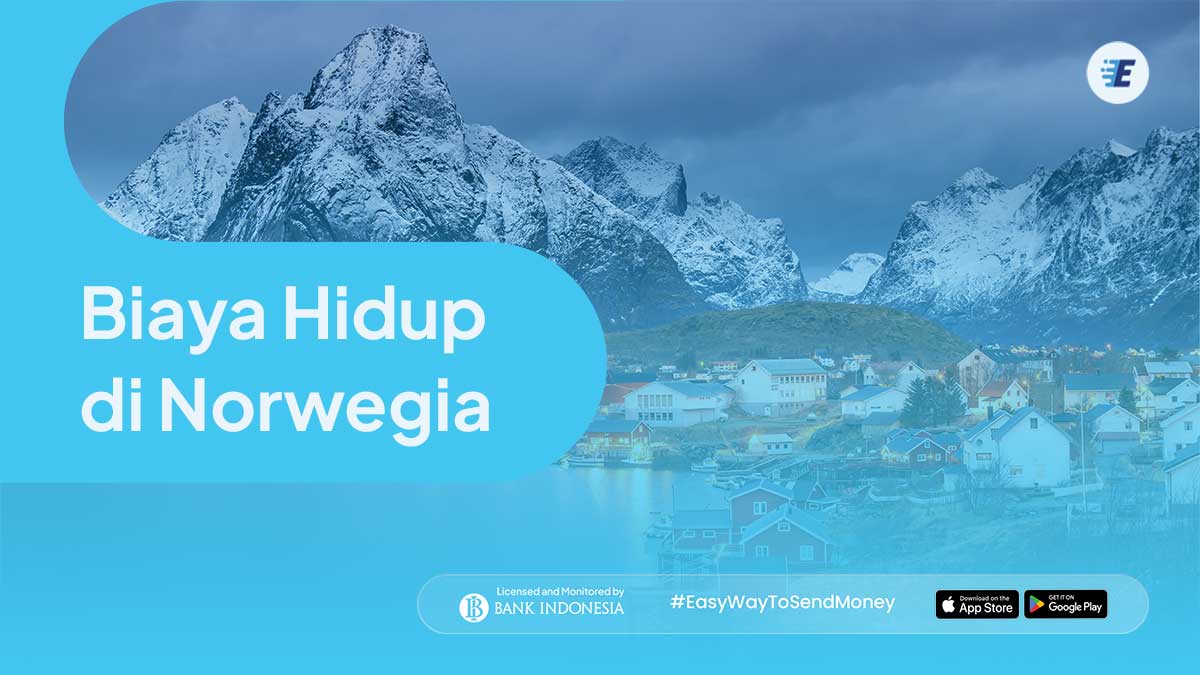
Norway is a country famous for its extraordinarily beautiful natural scenery—dramatic fjords, snow-capped mountains, and clean, well-organized cities. It’s no wonder so many people are interested in living or studying there. However, as one of the countries with the highest standards of living in the world, the cost of living in Norway is also among the highest. So, it’s really important for anyone planning to go there to know roughly how much money to set aside to live comfortably without financial stress.
Read also: The Most and Least Expensive Places to Live
Living Cost Needs in Norway
Before getting into the details of the costs, you first need to know what the main expenses will be that will take up the largest portion of your budget while living in Norway. Typically, these basic needs include:
- Food and beverages
- Accommodation, such as renting an apartment, boarding house, or dormitory
- Transportation costs, such as buses, trains, bicycles, or cars
- Insurance and medical expenses
- Other needs, such as internet, phone credit, entertainment, and other daily necessities like clothing
Cost of Living in Norway
-
Meal cost
If you often eat at restaurants, be prepared to pay quite a lot. For example, lunch at a simple café usually costs around NOK 150–200 (Rp220,000–300,000). Dinner at a nicer restaurant can reach NOK 300 or more.
If you often eat at restaurants, be prepared to pay quite a lot. For example, lunch at a simple café usually costs around NOK 150–200 (Rp220,000–300,000). Dinner at a nicer restaurant can reach NOK 300 or more.
- 1 liter of milk costs around NOK 20 (Rp30,000)
- 500 grams of bread costs around NOK 30 (Rp45,000)
- 12 eggs cost around NOK 35 (Rp52,500)
- 1 kg of chicken breast costs around NOK 120 (Rp180,000)
Buying groceries at discount stores like REMA 1000 or KIWI can help reduce expenses. Also, take advantage of promotions and buy in larger quantities to get cheaper prices.
-
Housing Costs
Rent an apartment in Norway Prices vary greatly depending on the city and location. In the capital, Oslo, a one-bedroom apartment in the city center can cost as much as NOK 15,000 per month. In other cities, such as Bergen or Trondheim, prices may be slightly lower.
If you are a student, there are usually more affordable campus dormitory options, around NOK 5,000–7,000 per month. Another alternative is renting a room or living in a shared apartment, which can reduce rental costs by up to 50%.
In addition to rent, don’t forget to prepare extra funds for electricity, water, and internet—which can cost around NOK 1,000–2,000 per month.
-
Transportation costs
Norway has a good and punctual public transportation system. In big cities, you can use buses, trams, metro, and local trains. A monthly ticket for public transportation costs around NOK 850–950.
If you enjoy sports and want to save money, many cities provide safe and comfortable cycling paths. There are also bike rental services that are easy to access at affordable prices.
-
Healthcare Costs
The healthcare system in Norway It’s world-class. For residents and enrolled students, healthcare costs are very affordable or even free thanks to the national insurance system. But for newcomers, it’s best to get private health insurance first.
A doctor’s consultation without insurance can cost around NOK 200–400 (Rp300,000–600,000) per visit. Therefore, it is highly recommended that you register for the national healthcare system as soon as you meet the residency requirements, so you won’t have to pay high costs when you get sick.
-
Miscellaneous expense
In addition to the main needs, there are other expenses you should prepare for, such as:
- Home internet costs around NOK 400–600 (Rp600,000–900,000) per month
- Mobile data plans cost around NOK 200–400 (Rp300,000–600,000) per month
- Entertainment, such as going to the cinema, costs around NOK 130–150 (Rp200,000) per ticket
- Gym or fitness center memberships can reach NOK 400–700 per month
Read also: 8 Easy Ways to Transfer Money Abroad
Daily Living Expenses
If broken down, the estimated monthly cost of daily needs to live comfortably in Norway is approximately as follows:
| Type of Accommodation | Estimated per Month (NOK) |
| Food (home cooking) | 2,500–3,500 |
| Accommodation | 6,000–12,000 |
| Transportation | 900 |
| Internet & Mobile | 600 |
| Entertainment & Others | 1,000–2,000 |
| Total | 11,000–19,000 |
Monthly Cost of Living in Norway
If you live in a big city such as Oslo, the average monthly cost of living can reach Rp20 million and above.However, if you live more frugally and stay in a smaller city or share accommodation, the cost can be reduced to around Rp16 million per month.
The key is to manage your budget wisely and make good use of available public facilities so you can still enjoy a comfortable life.
Money-Saving Tips in Norway
To keep your wallet from running dry, try applying these money-saving tips:
- Eating out is very expensive, so cooking at home can significantly reduce your food expenses.
- If you are a student, make sure you have a student card because there are many discounts for transportation, museums, and entertainment events.
- Stores like REMA 1000, KIWI, and LIDL often have promotions that can help you save on groceries.
- Living with friends to share rent and utility costs can reduce housing expenses by up to 50%.
- Avoid owning a private car, as maintenance costs are expensive.
- There are many free events and activities you can join for entertainment without spending much money.
If you have family or friends in Norway, or if you want to send money there for daily living needs, you no longer need to worry about high fees or complicated processes.
Use Easylink as a fast, easy, and secure international money transfer service. With today’s technology, money can be transferred in a matter of minutes with low administrative fees and competitive exchange rates. This is definitely very helpful for keeping your finances in order while you’re in Norway.
What are you waiting for? Let’s download and use Easylink now!